

Introduction
Post-surgery rehabilitation is a critical phase in the healing process, where mobility and movement are essential for a full recovery. For many patients, a rehabilitation walker becomes an indispensable tool to regain independence and ensure proper healing. Walkers are designed to assist individuals who have undergone surgery, providing stability and support during recovery. Whether recovering from hip, knee, or orthopedic surgery, using a mobility walker is key to improving mobility and reducing complications in the recovery process. In this article, we’ll discuss the role of walkers in post-surgery rehabilitation and how they can help in recovery.
1. The Role of Mobility in Post-Surgery Recovery
Recovery after surgery requires patients to engage in controlled physical activity to prevent complications such as muscle atrophy, joint stiffness, and weakened cardiovascular health. A rehabilitation walker helps patients regain their mobility by providing a stable platform to support their movement. The added stability reduces the risk of falls and encourages patients to move around more freely, which is vital for the recovery process.
2. How a Walker Assists in Post-Surgery Rehabilitation
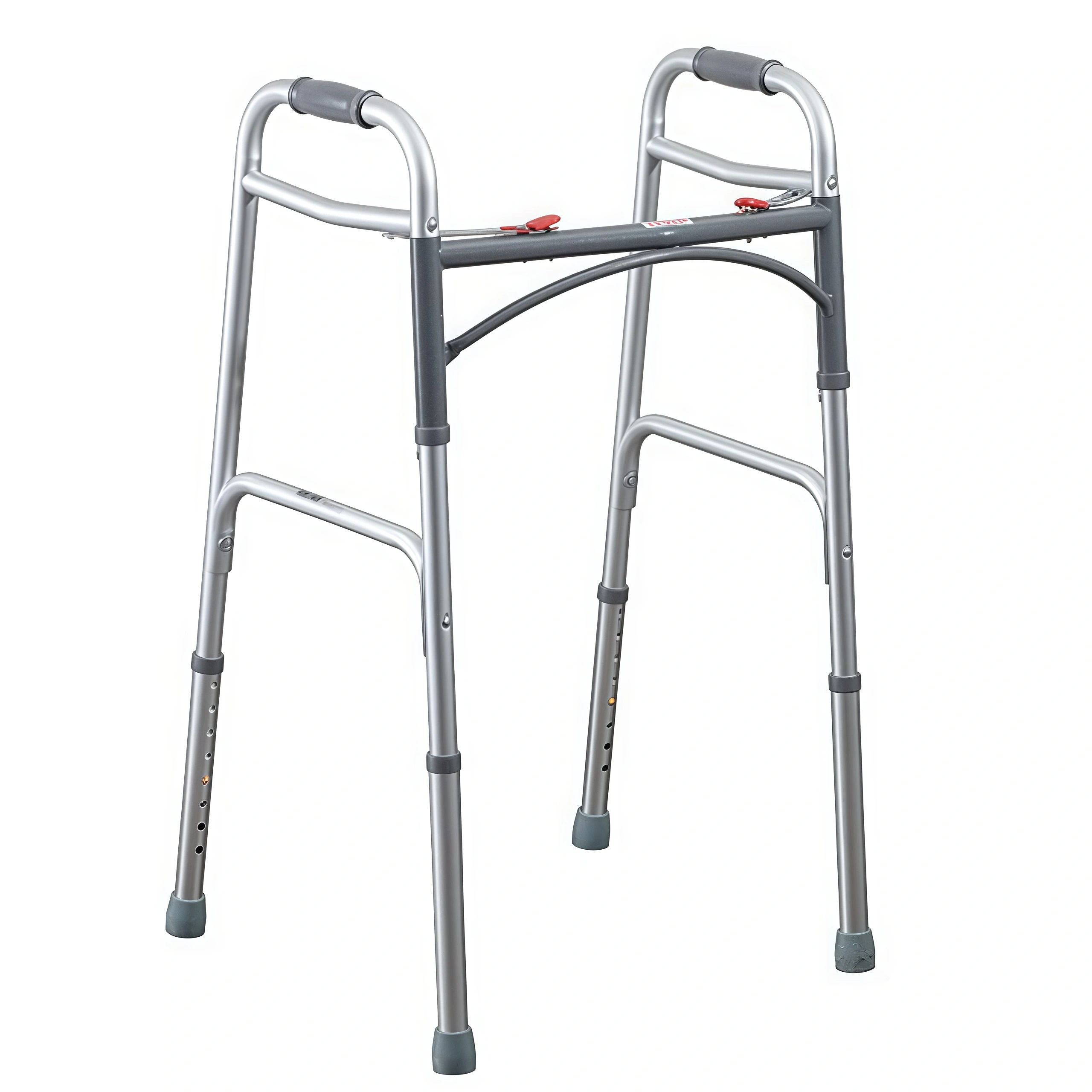
Walkers play an important role in assisting patients who have lost mobility due to surgery. The post-surgery walker helps distribute weight evenly across the body, reducing the strain on the surgical site and minimizing discomfort during movement. The stable frame and ergonomic handles make it easier for patients to balance and support themselves, especially when they are weak or fatigued. The ability to move safely while recovering is crucial for a successful rehabilitation process.
3. Types of Walkers for Post-Surgery Rehabilitation
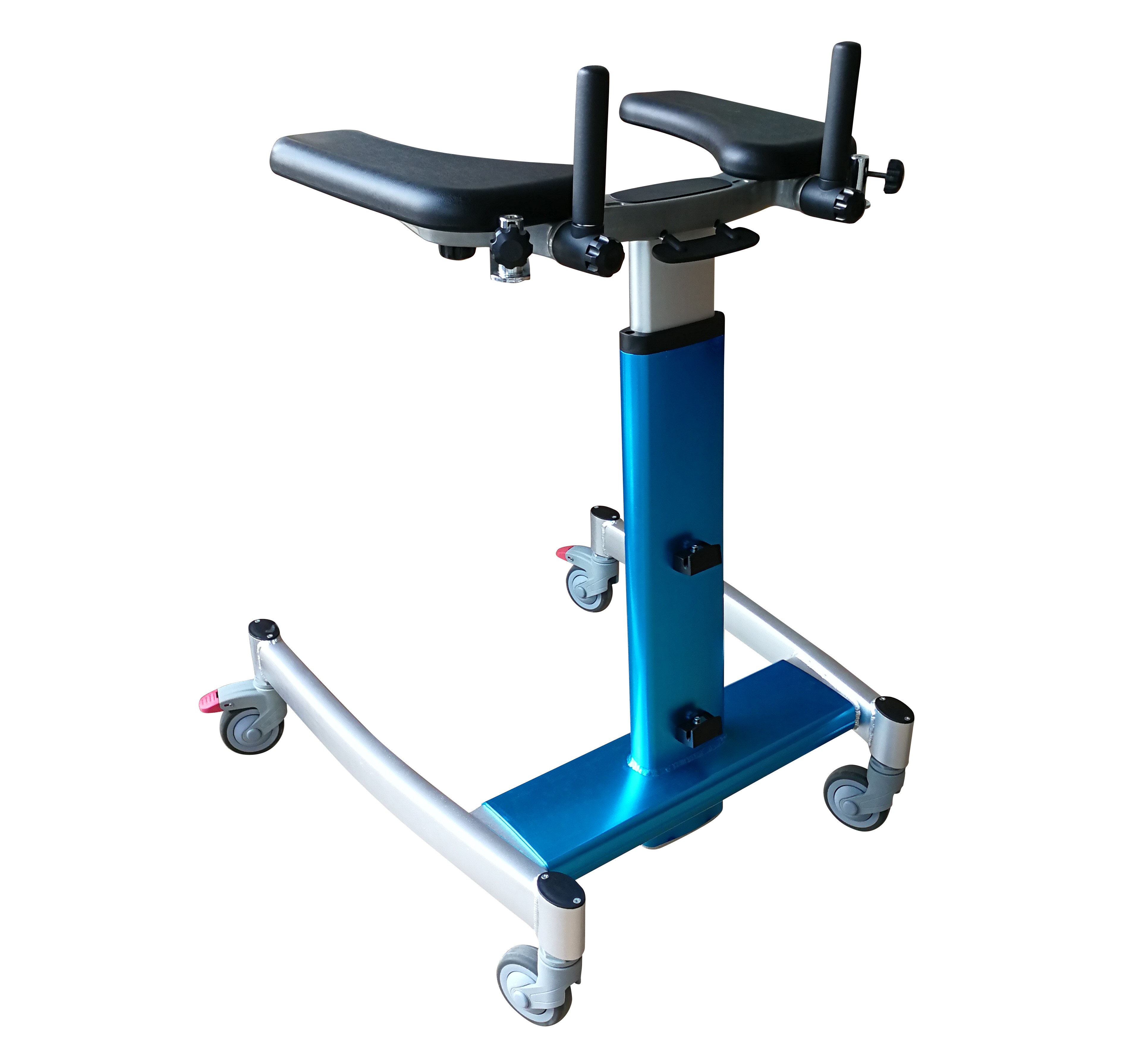
There are different types of walkers that are suitable for various surgical procedures. For patients recovering from knee or hip surgeries, a rehabilitation walker with a seat provides added rest during the recovery process. A mobility walker designed for post-surgery recovery can be customized with features like extra handles, adjustable heights, and durable materials that suit the specific needs of the patient. Healthcare professionals typically recommend the most appropriate walker based on the patient’s individual needs, which helps speed up recovery and improve outcomes.
4. Boosting Independence and Confidence During Recovery
Using a walker can significantly enhance the patient's confidence during recovery. After surgery, many patients experience fear or anxiety about moving around due to the risk of falling. A post-surgery walker gives individuals the support they need to regain their balance, which fosters independence and reduces the psychological barriers to movement. By improving mobility and encouraging patients to move on their own, walkers contribute positively to the rehabilitation process.
Conclusion
A rehabilitation walker is a crucial tool in post-surgery recovery. It offers essential support, stability, and mobility to help patients heal properly and regain independence. Whether recovering from hip, knee, or other surgeries, using a mobility walker ensures a smoother recovery process and a return to normal activities more quickly. Walkers are designed to make recovery safer and more comfortable, leading to better outcomes in the rehabilitation process.If you would like to know more healthcare products details, please feel free to contact at mandy@sunshinehc.net.
