Why Bed Rails Are Growing in Popularity and Their Personalized Features
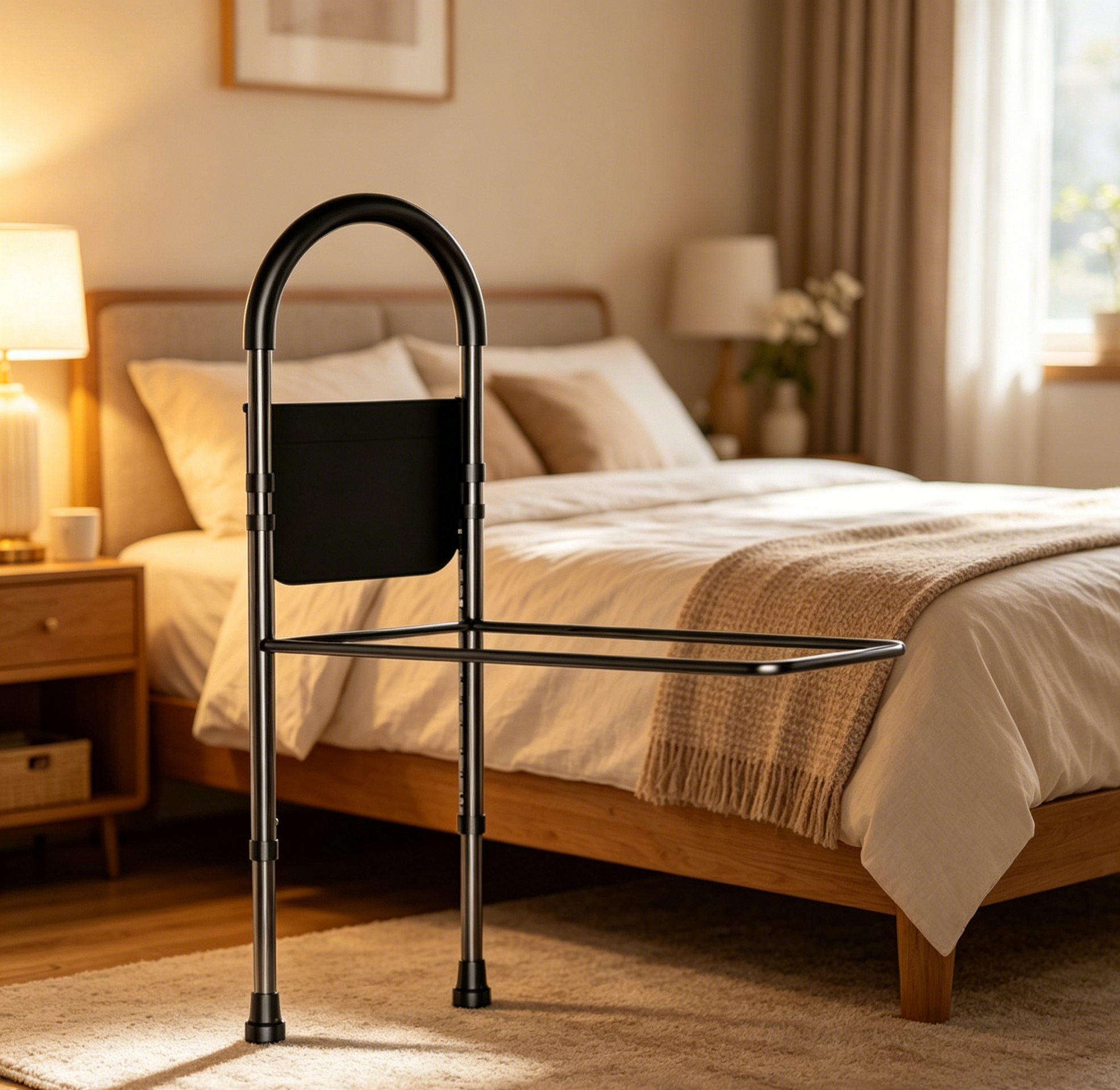
Bed rails, once considered a niche product for specific care scenarios, have seen a steady rise in global demand in recent years. As a professional exporter of rehabilitation medical equipment Sunshine Healthcare, we have observed a clear upward trend in bed rail purchases across both home care and medical facility settings.
This growing popularity is not accidental—it is driven by evolving market needs, increased safety awareness, and advancements in product design. In addition to their core safety function, modern bed rails now offer a range of personalized features that cater to diverse user requirements, making them a versatile solution for different groups of people.
This article explores the key factors behind the rising demand for bed rails and delves into the personalized functions that are reshaping user experiences, providing valuable insights for B2B buyers, care providers, and anyone interested in home safety and rehabilitation support.
1. Key Reasons for the Growing Popularity of Bed Rails
The increasing adoption of bed rails stems from a combination of demographic changes, shifting care models, and enhanced safety awareness—all of which address critical pain points for users and care providers alike.
1.1 Global Aging Population and Rising Mobility Challenges
One of the primary drivers of bed rail demand is the growing global elderly population. As people age, mobility limitations become more common, and the risk of accidental falls from bed increases significantly. Falls are the leading cause of injury among adults over 65, and getting in and out of bed is one of the most dangerous daily activities for seniors. Bed rails provide a stable support point for elderly individuals to sit up, lie down, and transfer safely, reducing fall risk and restoring a degree of independence. This need has become even more pronounced as more seniors choose to age in place rather than move to assisted living facilities.
1.2 Growing Awareness of Fall Prevention
Across both home and medical settings, there is a growing emphasis on fall prevention as a core aspect of care. Healthcare providers, caregivers, and families are increasingly recognizing the role of bed rails in mitigating fall risks—especially for individuals with mobility issues, cognitive impairments, or those recovering from surgery or illness. This heightened awareness has led to wider adoption, as bed rails are viewed as a simple, cost-effective solution to enhance safety without compromising comfort.
1.3 Integration of Bed Rails in Diverse Care Scenarios
Bed rails are no longer limited to hospitals or nursing homes—they are now widely used in home care, assisted living facilities, and even temporary care settings. This expansion is driven by the shift toward home-based rehabilitation and the need for flexible safety solutions that adapt to different environments. For example, bed rails are now commonly used for children transitioning from cribs to beds, pregnant women, and individuals with disabilities, expanding their user base beyond the elderly.
1.4 Improved Product Safety and Compliance
In response to past safety concerns, modern bed rails are designed to meet strict global safety standards, such as the U.S. CPSC’s mandatory safety standard (16 CFR Part 1270) and ASTM certifications. Manufacturers have addressed entrapment risks by refining designs—such as reducing gaps between rails and mattresses, adding rounded edges, and using secure attachment mechanisms. This improved safety and compliance have increased buyer confidence, further driving market growth.
2. Personalized Features of Modern Bed Rails
As demand grows, manufacturers are focusing on personalized design to cater to the unique needs of different users. These features go beyond basic safety, enhancing usability, comfort, and adaptability—making bed rails more versatile and user-friendly.
2.1 Adjustable Height and Length for Versatile Fit
One of the most popular personalized features is adjustable height and length. Modern bed rails can be adjusted to fit different bed sizes (single, double, king) and user heights, eliminating the need for one-size-fits-all solutions. For example, some models offer height adjustments between 50-80cm, with precision up to 1.5cm, allowing users to tailor the rail to their specific needs—whether it’s a child who needs a lower barrier or an elderly person who requires a higher support point. Foldable designs are also common, allowing users to lower the rail when getting in or out of bed for added convenience.
2.2 Tool-Free and Damage-Free Installation
Many users avoid bed rails due to concerns about complicated installation or damage to furniture. To address this, personalized bed rails now feature tool-free, no-drill installation systems—such as magnetic or卡扣 (buckle) attachments—that secure the rail to the bed frame or mattress without damaging walls or bed frames. These systems can be installed in 3 minutes or less, making them ideal for renters or anyone who wants a portable solution.
2.3 Customizable Materials and Protective Design
Materials and protective features are also being personalized to meet diverse needs. For families with children or elderly users prone to bumps, bed rails often feature medical-grade EVA soft padding and rounded edges to prevent injuries. For users with specific preferences, options include metal frames for sturdiness (with weight capacities up to 136KG) or lightweight, portable designs for travel.
2.4 Multifunctional Add-Ons for Enhanced Convenience
Modern bed rails often include multifunctional features to improve usability. Common add-ons include built-in storage pouches for holding remote controls, medications, or small personal items, motion-activated lights to illuminate the area at night (reducing trip risks), and integrated call buttons for emergency assistance. These features transform bed rails from simple safety devices into comprehensive support tools that cater to daily needs.
2.5 Population-Specific Customization
Bed rails are now designed to target specific user groups. For seniors, models focus on sturdy handholds for stability and easy grip, while pediatric bed rails feature colorful designs and lower heights to suit children’s needs. For individuals recovering from surgery or with disabilities, bed rails may include adjustable angles to support different sitting or lying positions, enhancing comfort during rehabilitation.
Conclusion
The growing popularity of
bed rails is a direct response to the increasing need for safe, flexible care solutions in both home and medical settings. Driven by an aging population, rising fall prevention awareness, and expanded care scenarios, bed rails have evolved from basic safety barriers to personalized tools that adapt to diverse user needs.
The personalized features of modern bed rails—from adjustable designs and tool-free installation to multifunctional add-ons and population-specific customization—have made them more accessible and user-friendly, further fueling their adoption. As a professional exporter, we recognize these trends and continue to prioritize products that balance safety, compliance, and personalization, ensuring we meet the evolving needs of our B2B clients and their end users.